9 hr
Plitvice Lakes & Rastoke Day Trip from Zagreb
- Expert local guide
- Small group
- Skip-the-line access
- Free cancellation
Private Transfer Zagreb to Plitvice Lakes — Direct Routes & Guided Day Trips
Door-to-door service through the Dinaric highlands, Rastoke village stops available
Compare fares, pick the fit — all bookings are mobile-voucher and eligible for free cancellation where shown.
9 hr
10 hr
10 hr
| Experience | From | Duration | Rating | Pickup | Skip-the-line | Guide | Price | |
|---|---|---|---|---|---|---|---|---|
|
Guided Experience
Most popular
Plitvice Lakes & Rastoke Day Trip from Zagreb
|
Zagreb | 9 hr | ★ 4.9 | ✓ | ✓ | ✓ | €71 | Book → |
|
Guided Experience
Plitvice Lakes & Rastoke Day Trip from Zagreb
|
Zagreb | 10 hr | ★ 4.9 | ✓ | ✓ | ✓ | €74 | Book → |
|
Guided Experience
Plitvice Lakes & Rastoke Day Trip from Zagreb
|
Zagreb | 10 hr | ★ 4.9 | ✓ | ✓ | ✓ | €69 | Book → |
Worth it for time-sensitive travelers
A private transfer Zagreb to Plitvice Lakes eliminates the hassle of navigating public bus schedules and crowded terminals, delivering you directly to the park entrance in roughly 2.5 hours. The service shines for groups of three or four, where per-person costs approach bus fares but with added flexibility—departures align with your schedule, and several operators bundle the ride with guided stops at Rastoke village or onward transit to Split. Solo travelers face steeper economics, though the time saved and comfort gained can justify the premium if your itinerary is tight. The park itself demands at least four hours to cover the lower and upper lakes, so arriving early via direct transport maximizes your daylight window. For families with young children or travelers carrying luggage between cities, door-to-door convenience removes friction that public options cannot match. Budget backpackers willing to wake early for the Zagreb bus station will find cheaper alternatives, but anyone valuing seamless logistics over savings will appreciate the streamlined experience of private transfer zagreb to plitvice lakes tours.
Bottom line: Private transfer zagreb to plitvice lakes tickets trade budget savings for time efficiency and door-to-door convenience that independent travelers and families consistently value.
For most travelers, a private transfer zagreb to plitvice lakes tour offers superior comfort and schedule flexibility, while the public bus serves as the budget-friendly alternative.
|
Top pick Private Transfer |
Public Bus | |
|---|---|---|
| Pickup/Drop-off | Door-to-door service | Bus station only |
| Travel Duration | Approximately 2.25 hours | 2.5–3 hours |
| Flexibility | Custom departure times | Fixed rigid schedule |
| Vehicle Comfort | Private air-conditioned car | Standard coach seating |
| Extra Stops | Optional stops (e.g. Rastoke) | No stops permitted |
| Booking Constraints | Pre-booked required | Ticket office or online |
| Pricing (est.) | From 180 EUR (private) | From 12 EUR (per person) |
| See tickets & prices |
Verdict: Choose a private transfer zagreb to plitvice lakes if you prioritize a stress-free, time-efficient journey, or select the public bus if you are a budget-conscious traveler comfortable with navigating fixed transport hubs.
Hand-picked experiences loved by thousands of travelers
10 hours
Free Cancellation
Discover Croatia's stunning UNESCO waterfalls and a historic watermill village on this guided tour
12 hours
Free Cancellation
Journey from Zagreb to Split with a guided stop at UNESCO-protected Plitvice Lakes National Park
10 hours
Free Cancellation
Discover Croatia's stunning UNESCO lakes, cascading waterfalls, and the charming watermill village of Rastoke
9 hours
Free Cancellation
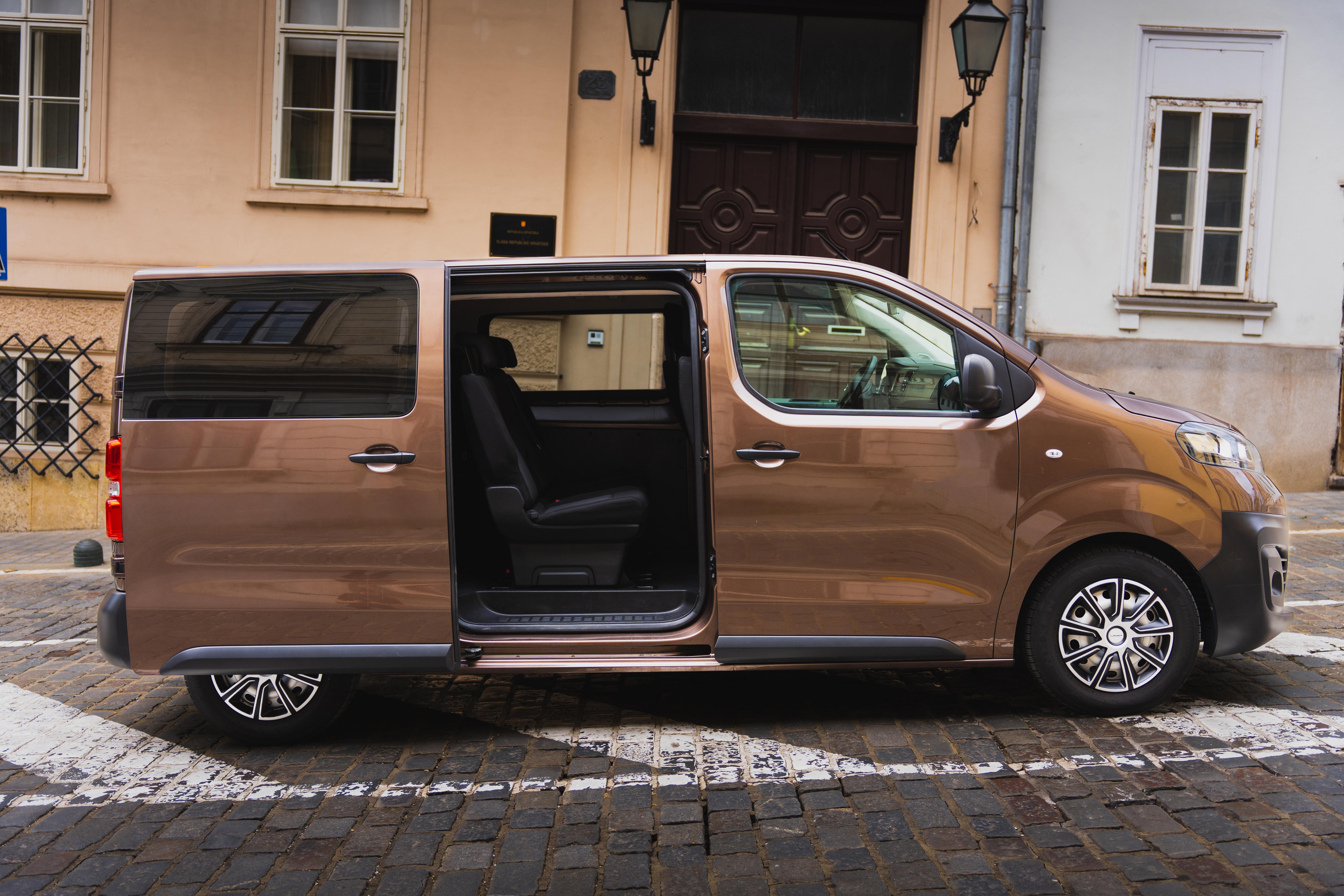
Door-to-door service with English-speaking driver, modern vehicle, and flexible park exploration time
11 hours
Free Cancellation
Journey between coastal Split and Zagreb with a guided exploration of Croatia's stunning waterfall park.
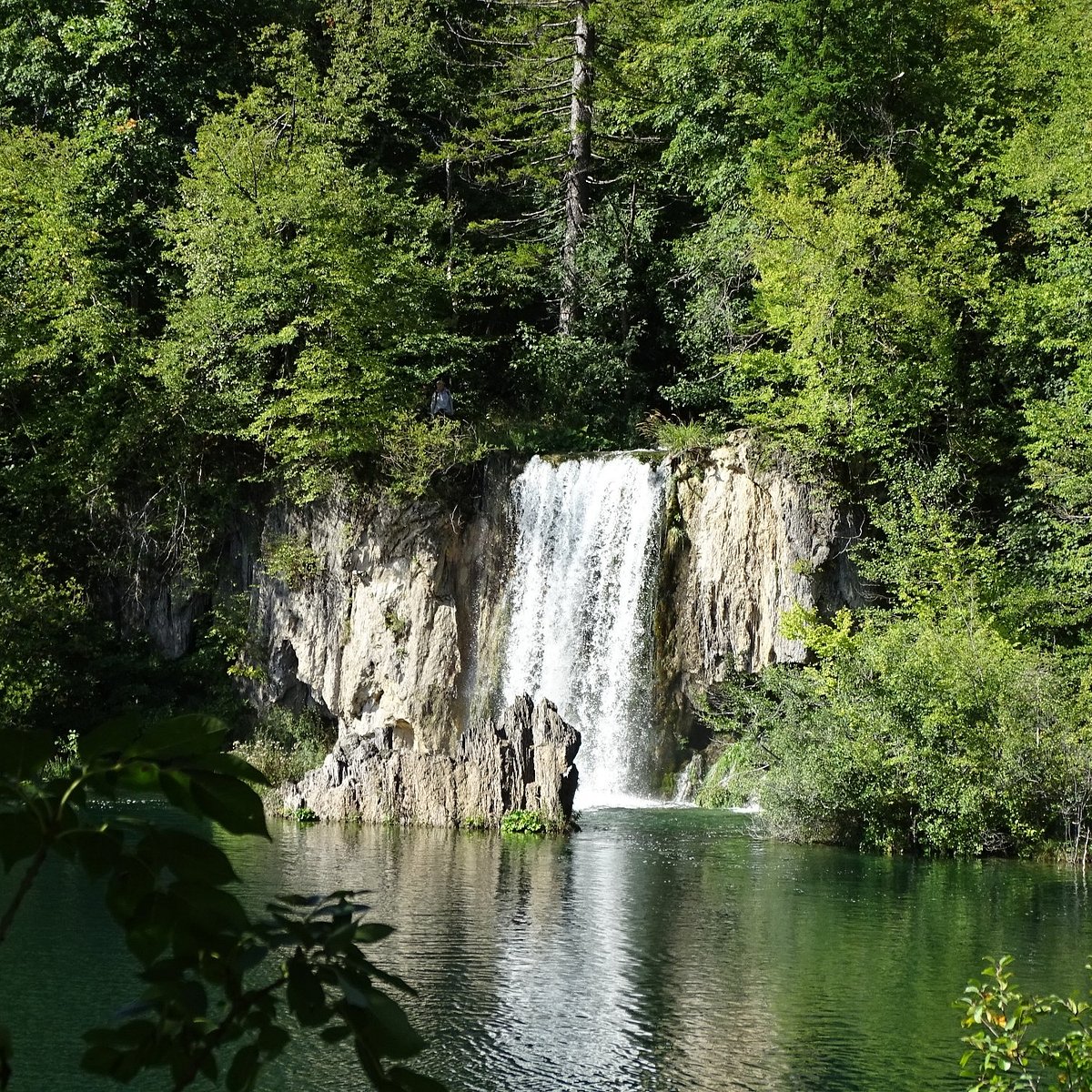
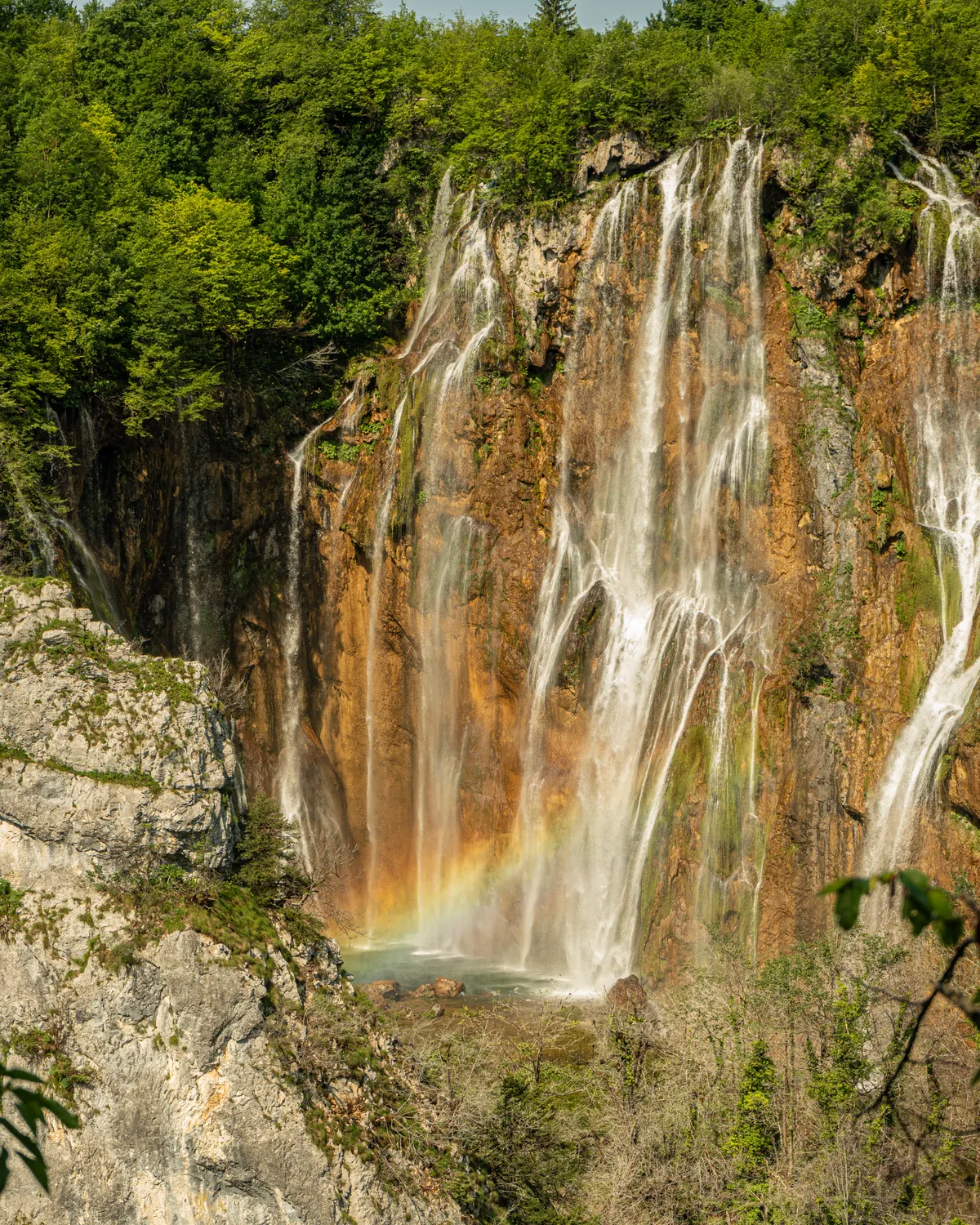
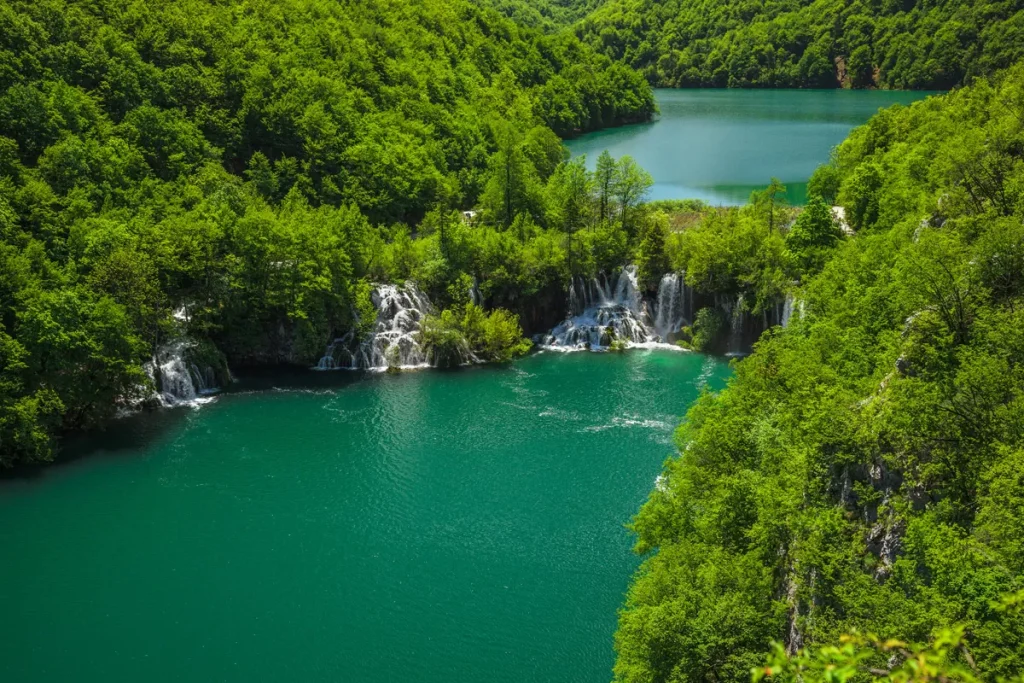
Standing at 62 meters, this is the tallest waterfall in the national park.
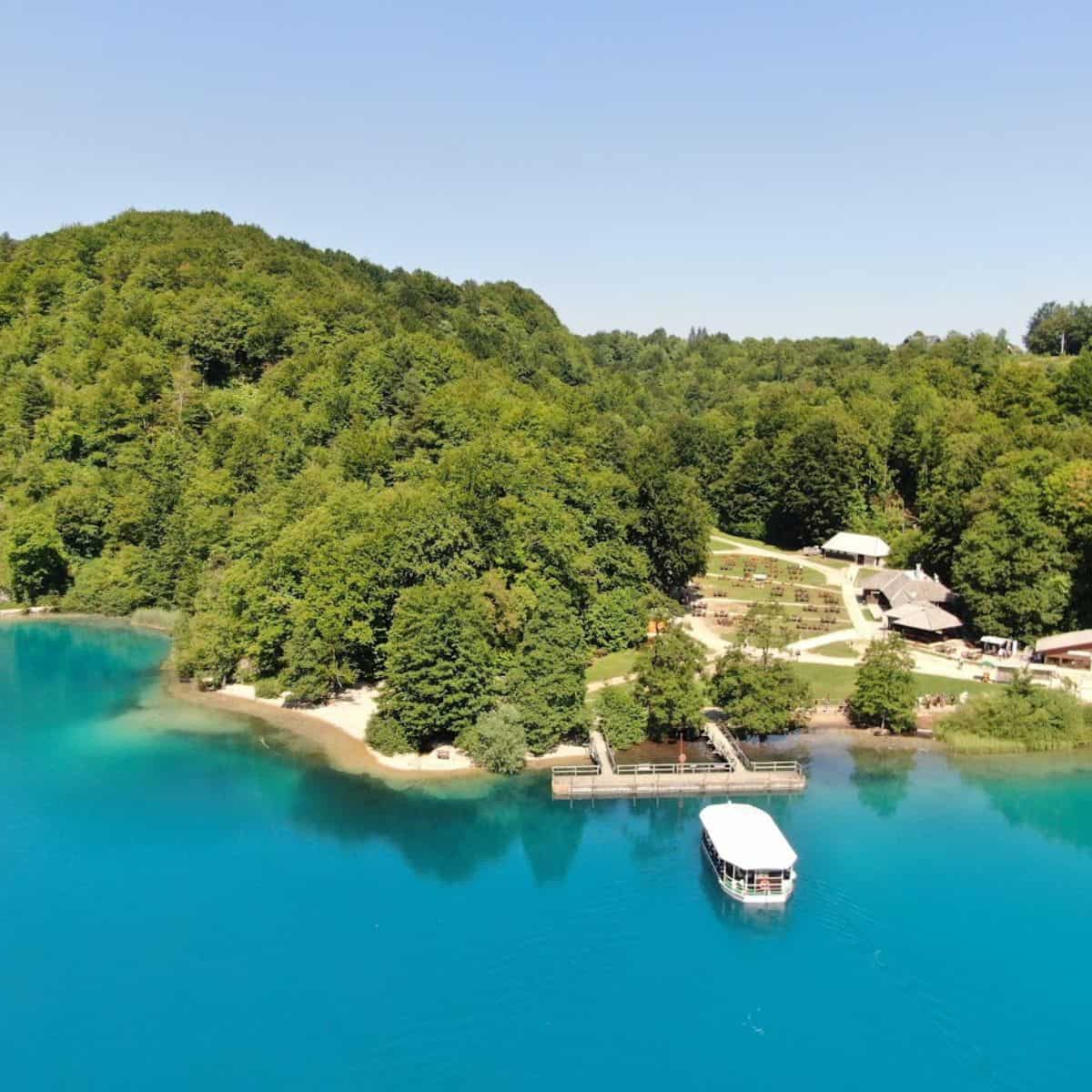
This is the largest and deepest lake in the park, crossed by the electric boat.
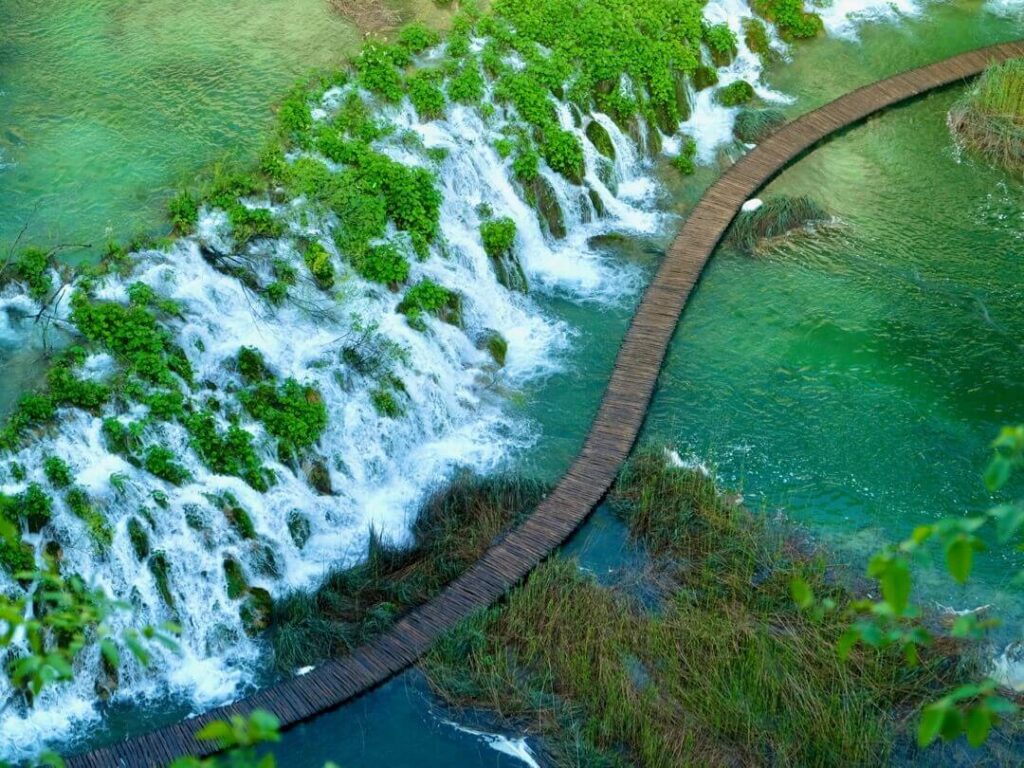
This lake is part of the Lower Lakes system, known for its deep turquoise color.
The highest lake in the Upper Lakes chain, offering serene forest surroundings.
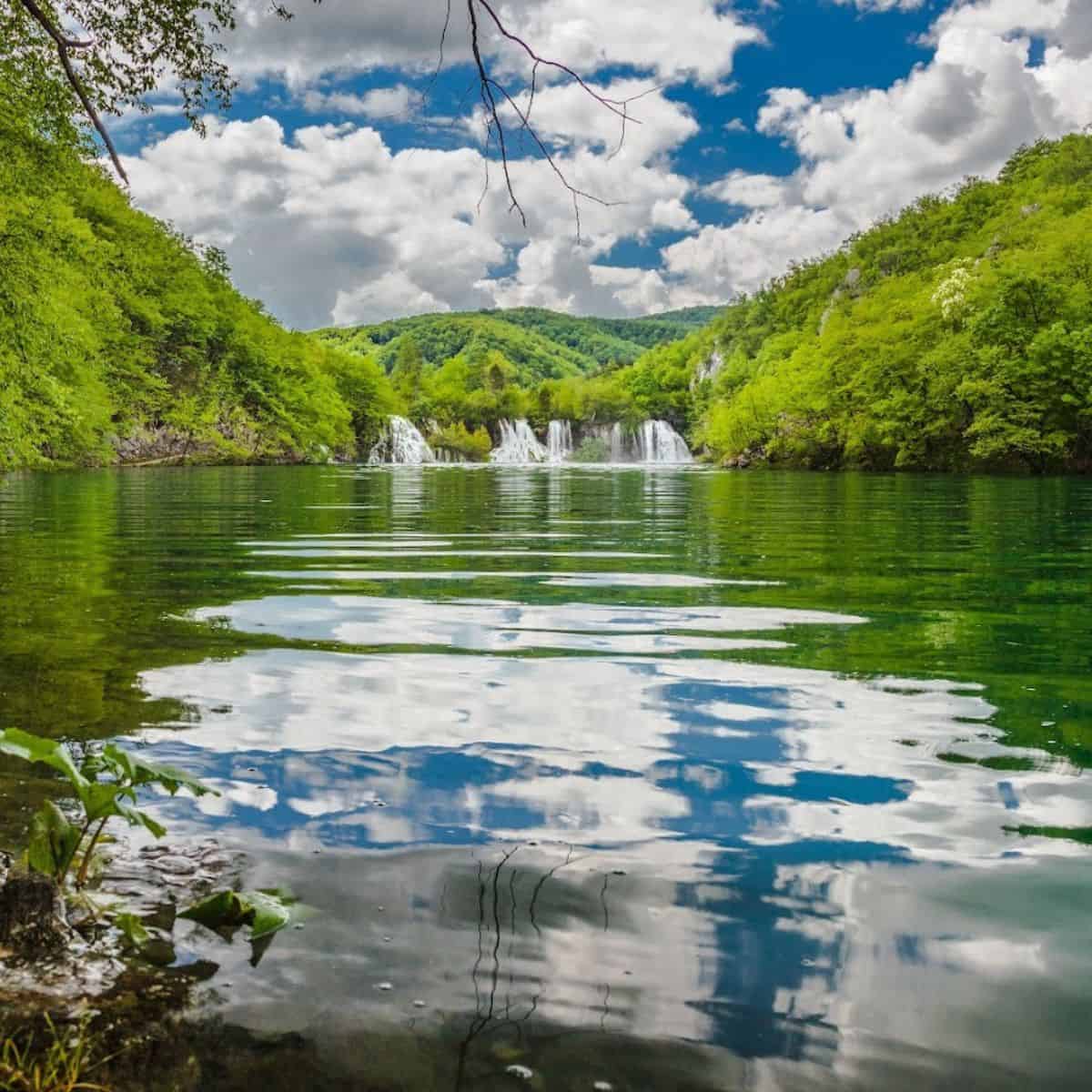
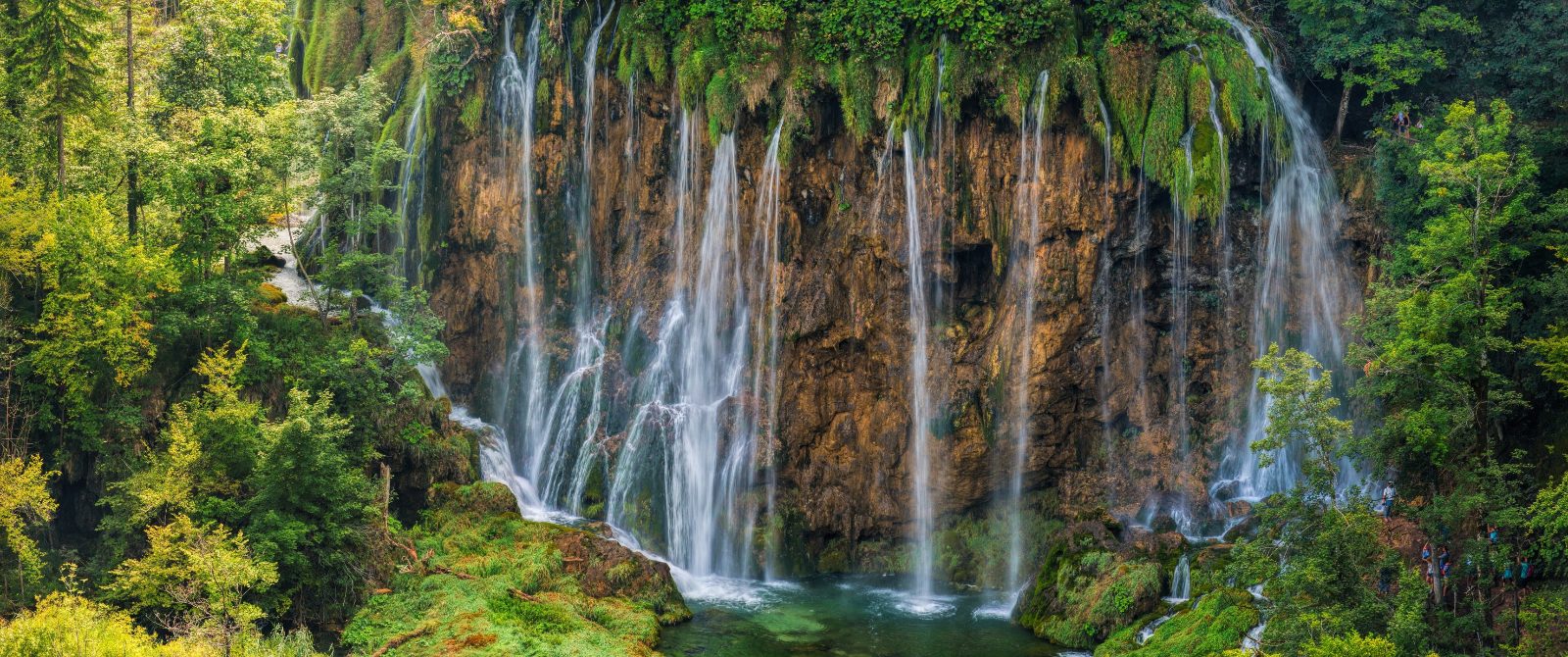
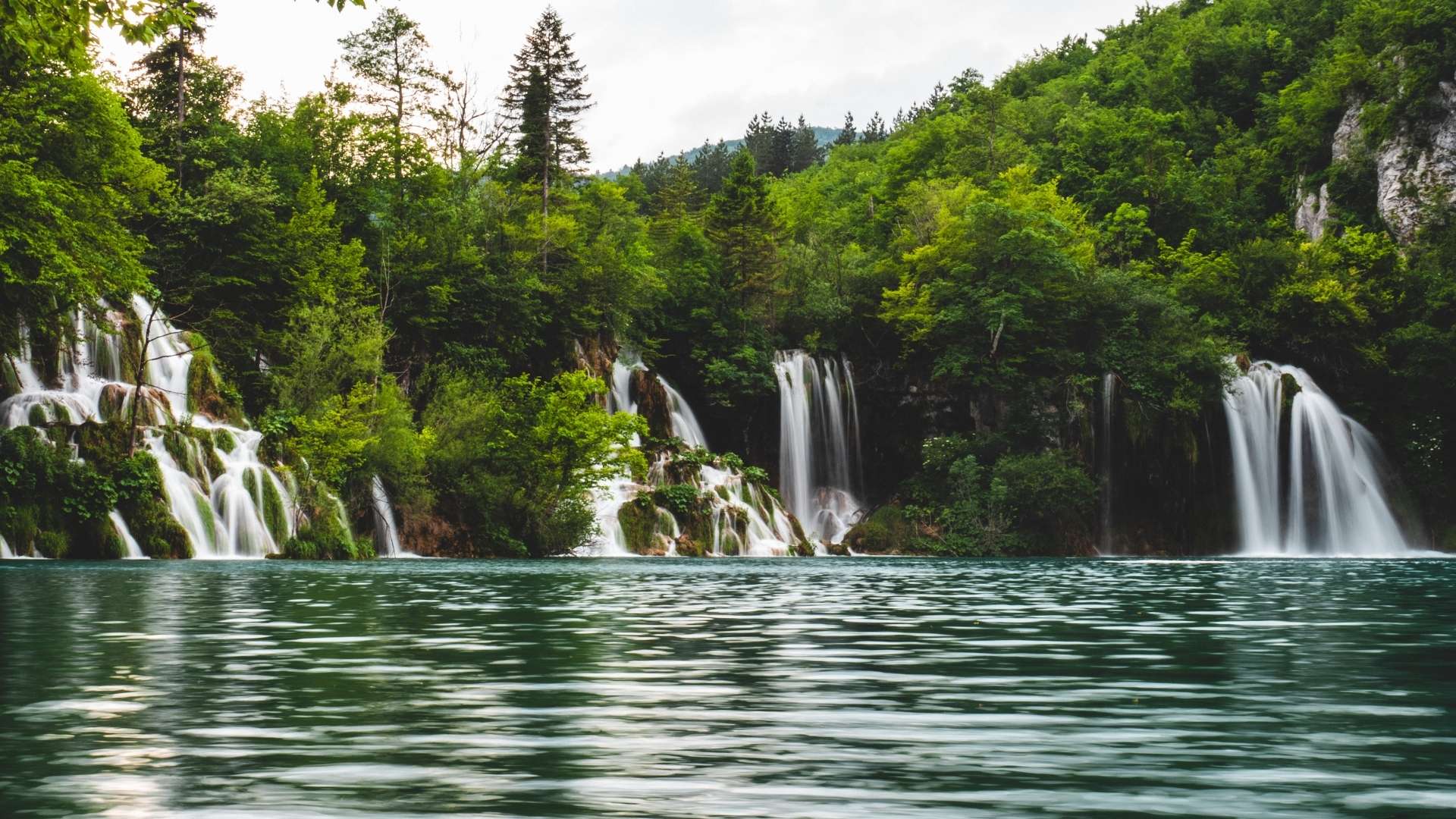
A series of smaller, interconnected falls that characterize the unique tufa barriers.
You leave Zagreb at dawn, the vehicle heading southwest through suburbs that thin into farmland as the road climbs into the Velebit foothills. By Karlovac the terrain shifts — limestone outcrops replace plowed fields, and the first karst springs appear beside the highway.
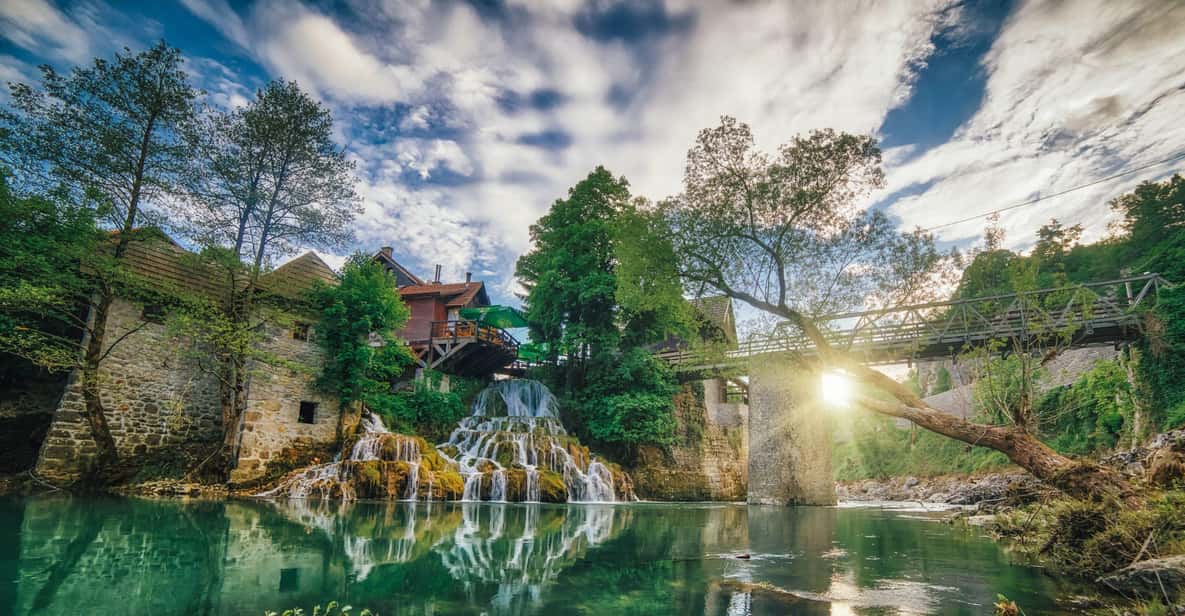
Your driver slows at Rastoke, where waterfalls tumble under stone bridges and wooden cottages perch above the foam. You step out for fifteen minutes, camera in hand, before continuing south.
The park entrance appears after another forty minutes. You collect your ticket at the booth — the conservation fee already included in most private transfer Zagreb to Plitvice Lakes tour packages — and follow wooden boardwalks past the lower lakes, where emerald water spills over moss-covered barriers. Electric boats ferry you across Kozjak, the park's largest lake, before trails ascend to the upper cascades. Afternoon light filters through beech canopy as you loop back toward the departure point, the return journey to Zagreb timed to avoid evening traffic on D1.
All the details about your upcoming adventure in one place
The 140-kilometre corridor between Zagreb and Plitvice Lakes National Park traces the northern edge of the Dinaric Alps, a route that climbs from the Sava River plain through oak-beech forest and karst plateaus before descending into the Korana River canyon.
Private transfer Zagreb to Plitvice Lakes services navigate State Road D1, the two-lane highway that replaced the old Ottoman mule track in 1958, cutting travel time from a full day to under three hours. The road passes through Karlovac, where the Kupa and Korana rivers converge, and skirts the village of Rastoke, a miniature cascade system that shares the same tufa geology as the lakes themselves. Drivers familiar with the route time departures to reach Entrance 1 by 07:00, the park's quietest hour, when mist still hangs over the lower cascades and ranger patrols outnumber early visitors.
Plitvice's sixteen interconnected lakes step down 133 vertical metres across eight kilometres, separated by travertine barriers that grow one centimetre per year as calcium carbonate precipitates from the water. The UNESCO inscription in 1979 recognised not only the cascades but the beech-fir primeval forest that covers 90 percent of the park's 296 square kilometres, home to brown bears, wolves, and over 320 butterfly species. Most transfers include return passage through Rastoke, where the Slunjčica River fractures into dozens of channels around wooden mills, offering a compressed preview of Plitvice's tufa processes in a village setting. The conservation fee of 40 EUR per person during peak season funds boardwalk maintenance and ecological monitoring, essential infrastructure given the 1.5 million annual visitors who traverse the fragile limestone formations. Transfer operators coordinate with park authorities to secure entry slots during high season, when daily quotas prevent crowding on the narrow wooden pathways suspended above the turquoise pools.
The Korana River canyon drops 133 vertical metres through sixteen lakes, each cascade building itself one centimetre of travertine per year.
Wear comfortable walking shoes with good grip for the wooden boardwalks and trails at Plitvice Lakes. Lightweight layers are recommended, as weather can shift quickly in the forested karst landscape.
Security screening may occur at entrances. Keep your private transfer zagreb to plitvice lakes booking details and entrance tickets accessible on your mobile device.
Professional filming or photography requires prior authorization from the park administration. Personal photography is permitted and encouraged throughout the park.
Families should note that the park involves extensive walking. Strollers are generally impractical on the narrow wooden trails, so carriers are recommended.
The park features wooden walkways and gravel paths that may be challenging for wheelchair users. Certain sections are accessible via the electric boat and panorama train included with your entry.
Bring your own water and snacks to enjoy at designated picnic areas. There are limited dining facilities within the park, and these can be very crowded during peak hours.
Opening Hours
07:00–19:00
Address
Josipa Jovića 19, 53231 Plitvička Jezera, Croatia
Entry Status
Timed-entry required
Arrival Window
07:00–09:00
Storage
Limited at entrances
Official Site
https://np-plitvicka-jezera.hr/
Tickets purchased online are generally non-refundable. Please confirm specific terms at the time of booking your private transfer zagreb to plitvice lakes.
Recommended time
4-6 hours
A private transfer zagreb to plitvice lakes allows you to navigate the park efficiently by arriving when gates open to explore the upper and lower waterfalls before the peak congestion. Visitors using these private transfer zagreb to plitvice lakes tours often find that a four-hour window suffices for the core wooden boardwalk routes, while six hours allows for a more relaxed pace across the UNESCO heritage landscape. Choosing professional private transfer zagreb to plitvice lakes tickets ensures you avoid the midday bottleneck when tour groups typically congregate at the electric boat piers and panoramic train stops.
Crowd levels through the day
Plitvice Lakes National Park emerged from centuries of geological isolation into formal protection on April 8, 1949, when Yugoslavia designated it the country's first national park. The sixteen terraced lakes, formed by travertine barriers deposited over millennia, had long been known to local communities but remained largely inaccessible to outsiders until the late Habsburg era. In 1893, the Society for the Arrangement and Beautification of Plitvice Lakes was established in Zagreb, marking the first organized effort to regulate visitor access and prevent commercial logging. By 1928, modest wooden footbridges and trails allowed a trickle of travelers to navigate the lower cascades, though reaching the site required arduous journeys from Zagreb over unpaved routes. The post-war decades brought infrastructure expansion. A private transfer Zagreb to Plitvice Lakes became feasible only after the completion of the modern highway in 1971, reducing travel time from six hours to under two. UNESCO inscribed the park on the World Heritage List in 1979, recognizing its dynamic travertine formation and endemic aquatic ecosystems. That same year, the park administration introduced electric boats and panoramic trains to manage growing visitor numbers while minimizing ecological disruption. The Croatian War of Independence brought devastation: from 1991 to 1995, the park became a military zone, trails were mined, and the Plitvice Lakes incident of March 31, 1991—the first armed clash of the conflict—occurred at park entrances. Reconstruction began immediately after demining operations concluded in 1998. Boardwalk systems were rebuilt to modern engineering standards, and visitor capacity was capped at 1,200 simultaneous entries per route to protect fragile travertine formations. Today, private transfer Zagreb to Plitvice Lakes tours deliver over half a million annual visitors to a park that balances World Heritage obligations with Croatia's tourism economy, its lake levels and waterfall volumes still governed by the same karst hydrology that shaped them eight thousand years ago.
Society for Arrangement of Plitvice Lakes founded in Zagreb to halt logging and regulate early access
First wooden footbridges installed across lower lake cascades
Yugoslavia declares Plitvice its first national park
Modern highway from Zagreb completed, reducing travel time to two hours
UNESCO inscribes park as World Heritage Site for travertine formations
Plitvice Lakes incident marks first armed clash of Croatian War
Demining completed and boardwalk reconstruction begins
Daily visitor caps introduced to protect fragile lake ecosystems
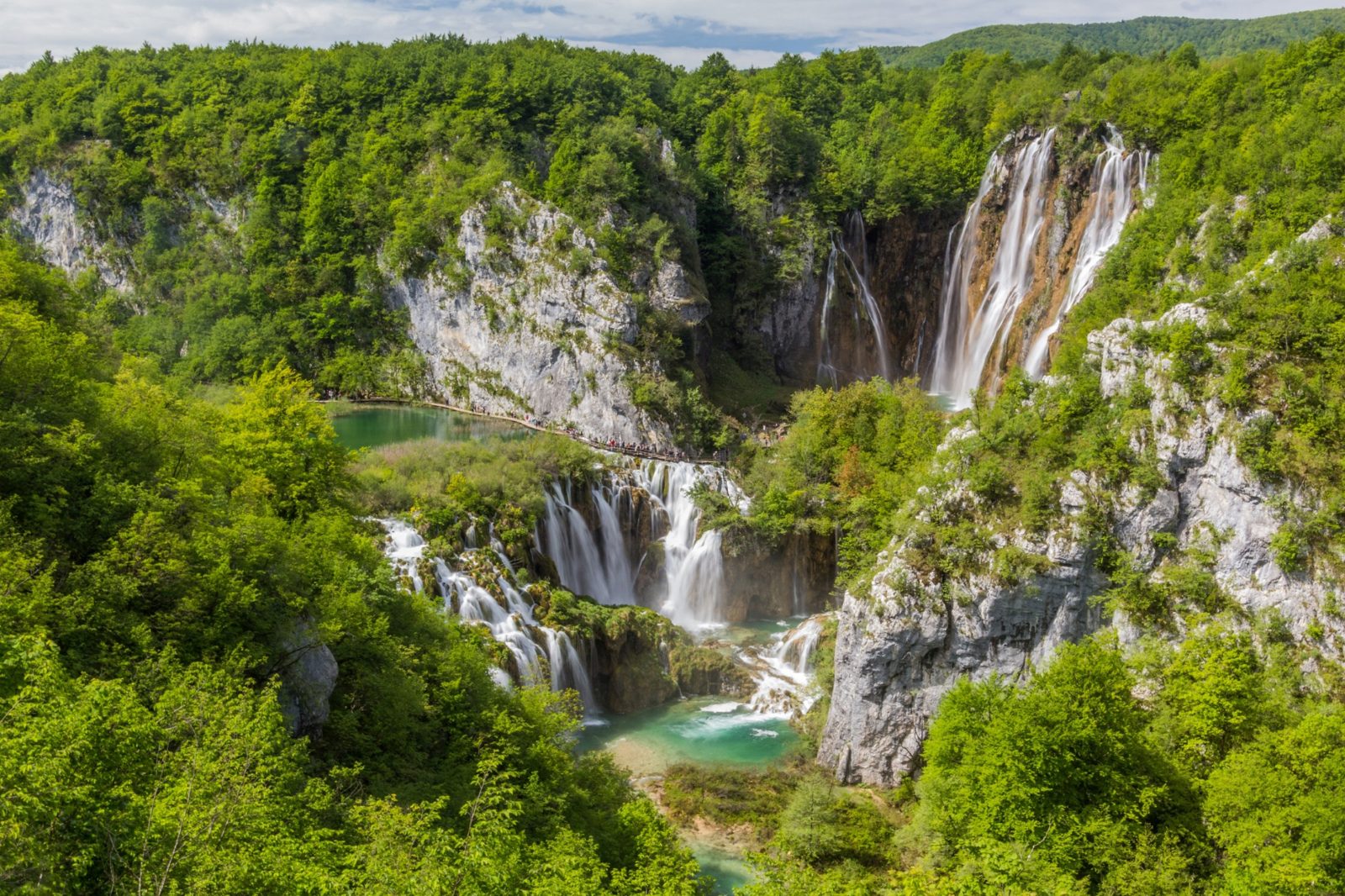
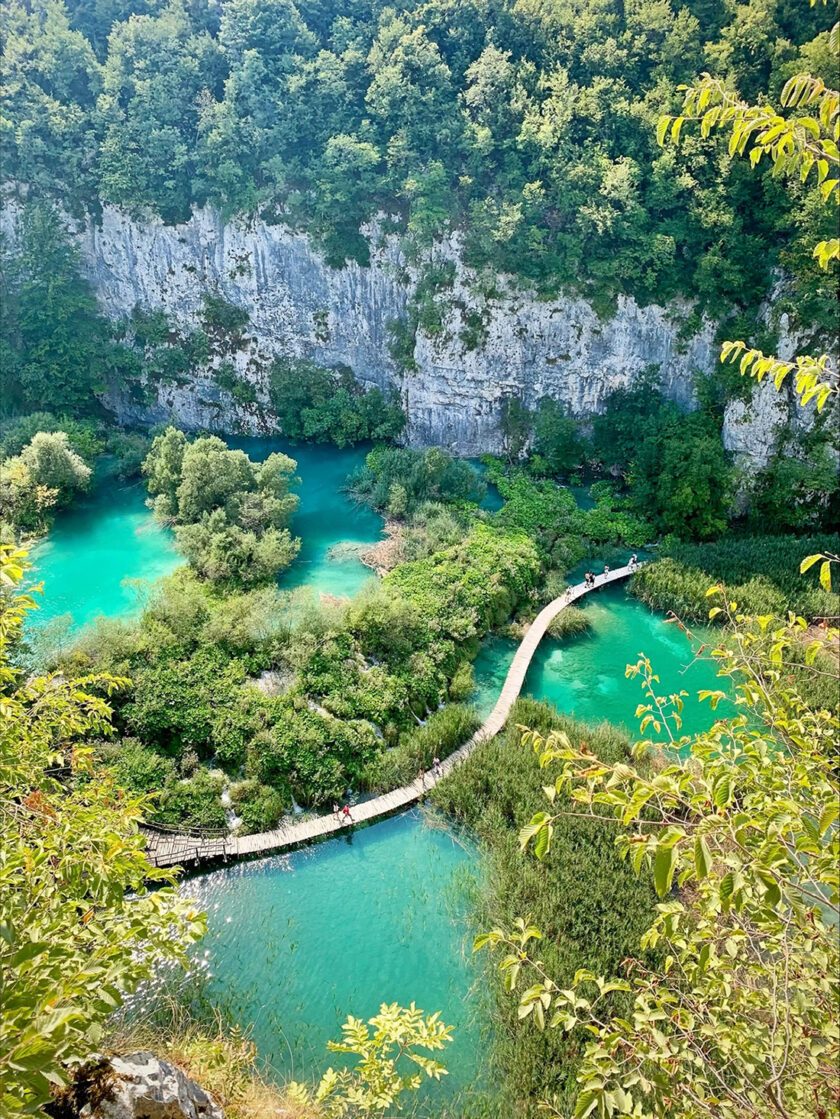
Position yourself at the high cliff edge trail for a wide-angle perspective of the tallest waterfall cascading into the lower lakes basin. This is the most iconic vantage point captured during a private transfer zagreb to plitvice lakes.
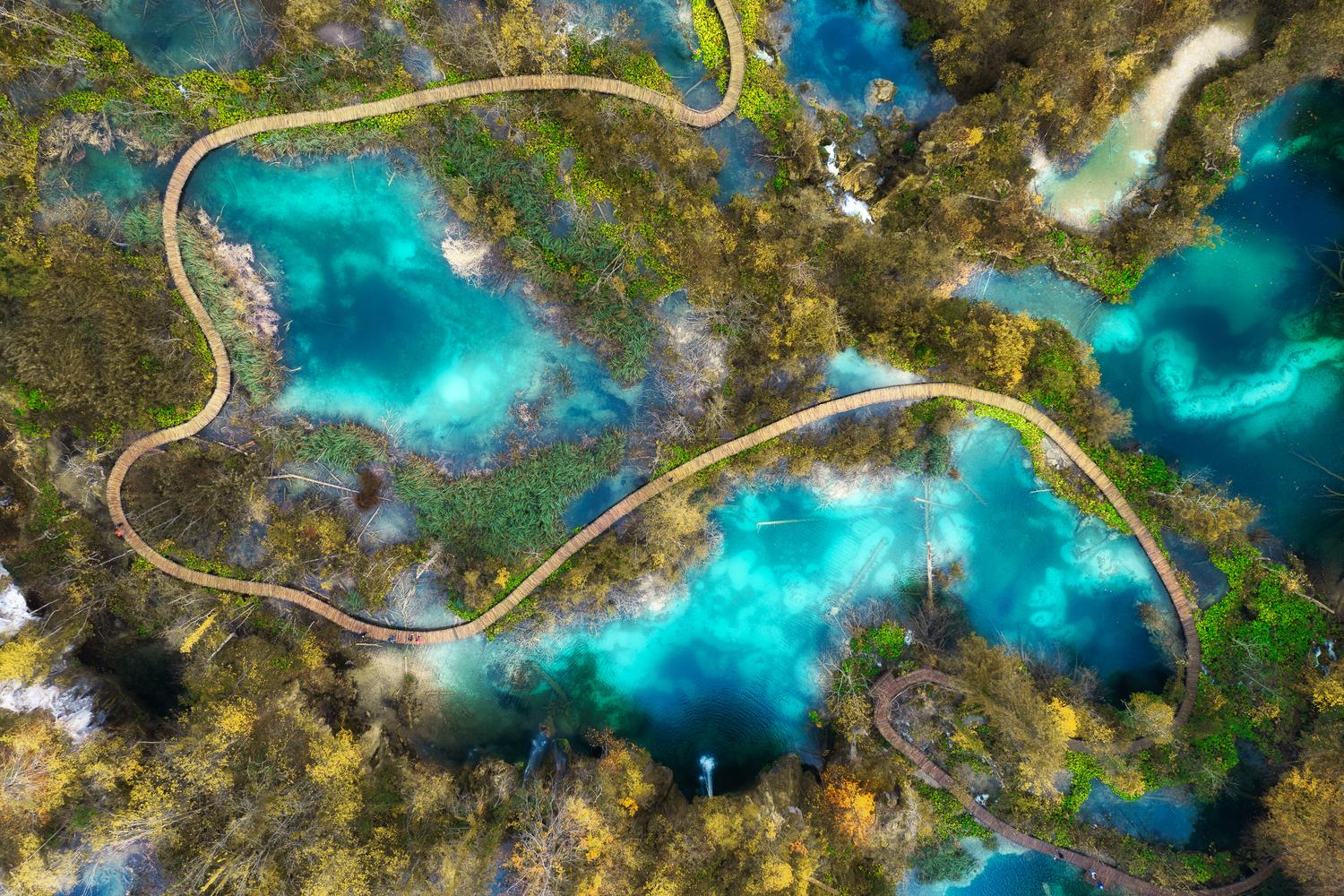
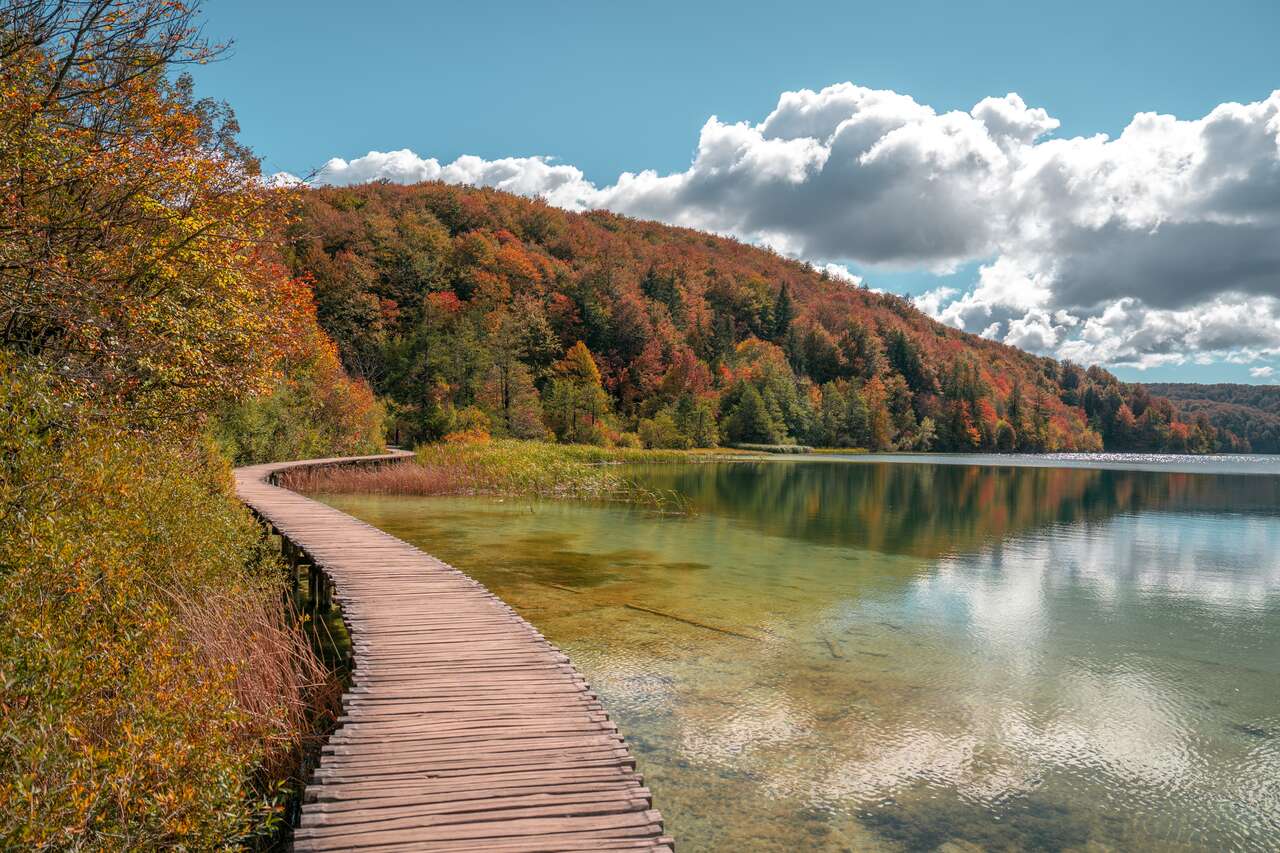
Walk along the wooden planks near Lake Milanovac to photograph the crystal clear turquoise water and travertine barriers. This location provides a low-angle perspective often included in private transfer zagreb to plitvice lakes tours.
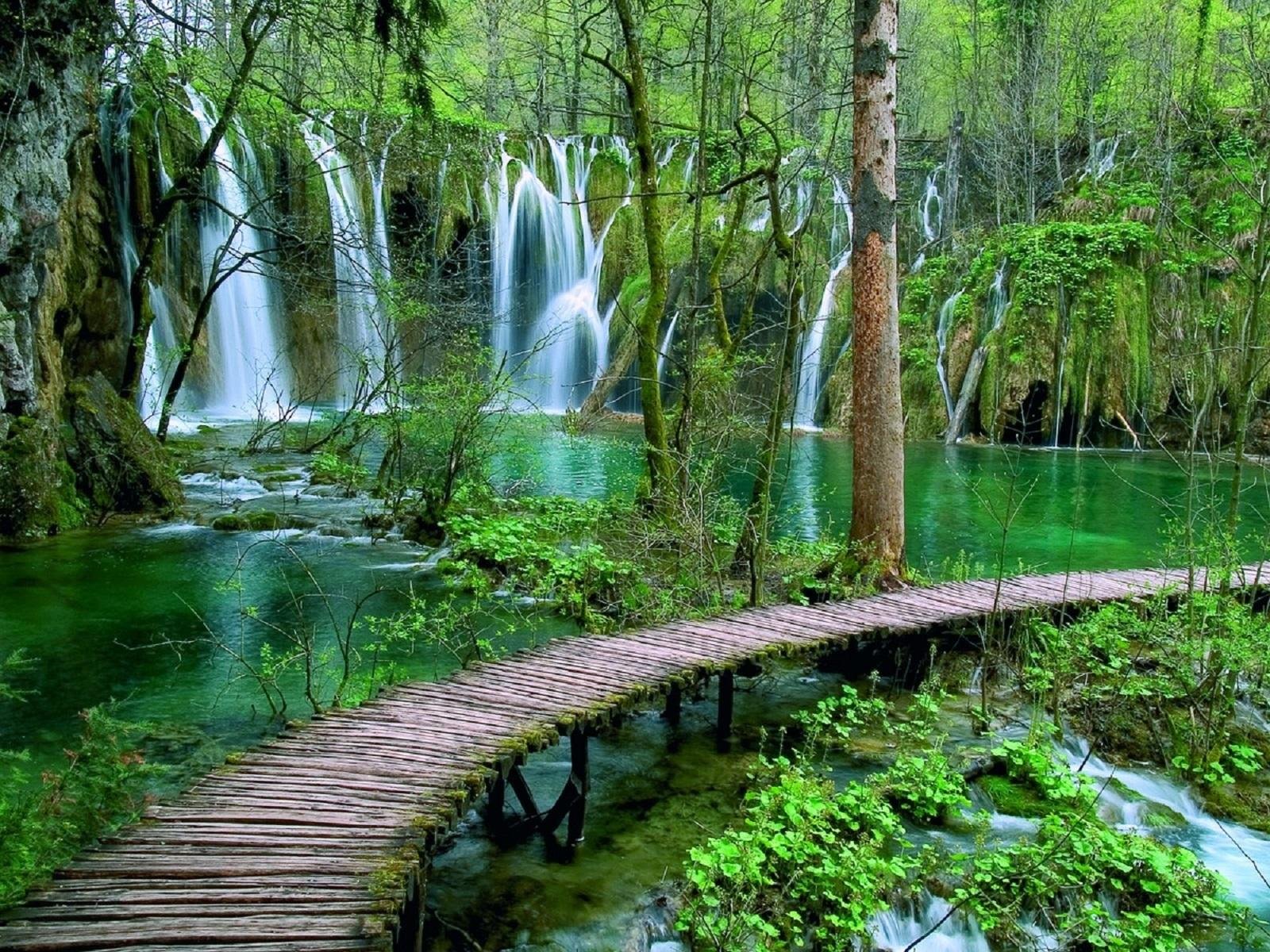
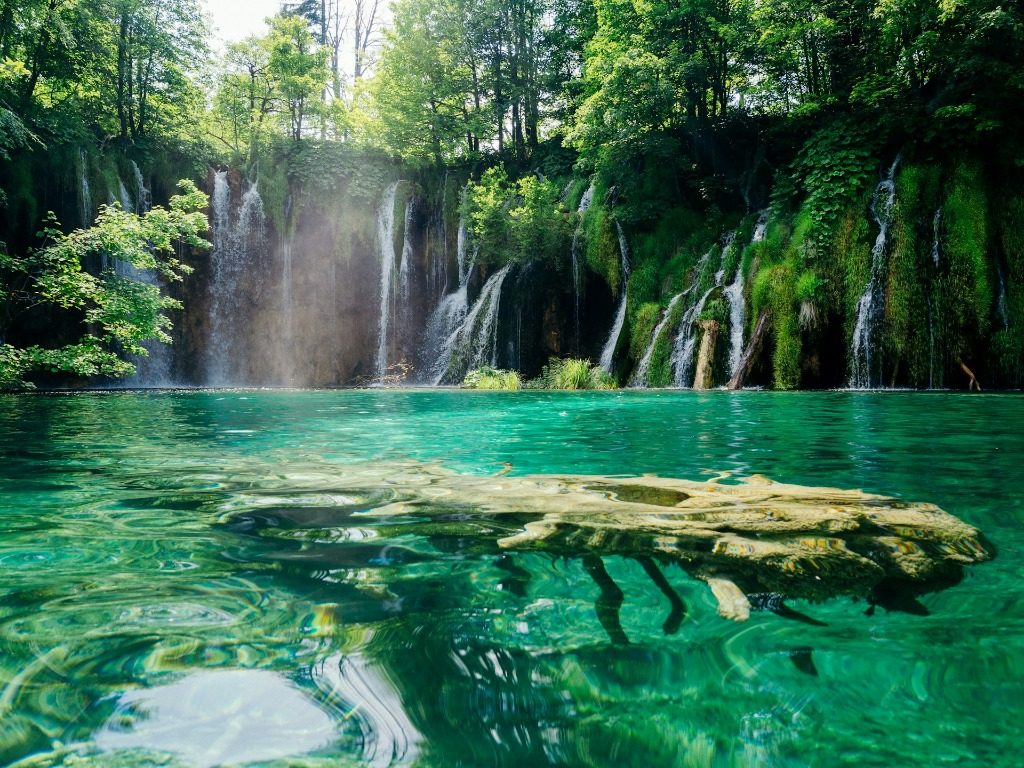
Stand on the wooden pathway crossing near the center of the upper lakes to frame the water flowing over mossy logs and limestone cliffs. This spot is a highlight of any private transfer zagreb to plitvice lakes tour.
Located near the park gate, this spot offers a high-elevation view looking down into the canyon and the winding paths of the lower section, perfect for travelers with private transfer zagreb to plitvice lakes tickets.
Exploring the park with children is a rewarding experience, though successful visits require careful preparation due to the rugged, natural terrain. A private transfer zagreb to plitvice lakes offers families a stress-free start to their day in the Croatian highlands.
Strollers are strongly discouraged due to narrow boardwalks, numerous stairs, and uneven paths throughout the park. A high-quality baby carrier or hiking backpack is the most practical way to navigate these scenic trails with younger children.
Families often prefer Route A or Route B for shorter, manageable walks that include the iconic lower lake waterfalls. These loops allow for a shorter visit with options for boat and train transport, which keep children engaged without overexertion.
Pack sturdy, slip-resistant footwear and layers for unpredictable weather, as temperatures can shift quickly in this forested environment. Carrying a comfortable backpack with snacks, water, and rain gear is highly recommended to ensure everyone stays comfortable during your private transfer zagreb to plitvice lakes tours.
The wooden walkways often lack railings, so keep children close at all times, especially near the water and waterfall edges. Consistent adult supervision is necessary as there are no barriers in many sections to protect the delicate landscape.
While restrooms are available at designated points, they can be sparse along the trails, so plan accordingly before starting your hike. You can purchase your private transfer zagreb to plitvice lakes tickets online in advance to ensure a smooth, efficient entry process.

Visitors arriving via a private transfer zagreb to plitvice lakes will find convenient dining options located directly near the park entrances. These spots allow you to grab a meal before starting your exploration of the limestone canyons and turquoise cascades.
Specializing in traditional regional cuisine, this venue serves local meats and cheeses. It is ideal for those seeking a sit-down meal after finishing their private transfer zagreb to plitvice lakes tour.
Everything you need to know for your journey
Plitvice Lakes National Park is open daily from 07:00–19:00.
The entrance fee is 40 EUR (conservation fee, per person, peak season).
Yes, booking a private transfer zagreb to plitvice lakes is the most efficient way to travel from the capital to the park.
The best arrival window is 07:00–09:00 to avoid peak crowds and ensure you enter before sell-outs.
Yes, children are welcome at Plitvice Lakes National Park, though trails require adult supervision.
Bring comfortable walking shoes, a water bottle, and a rain jacket for your private transfer zagreb to plitvice lakes.
Yes, the entrance fee includes the electric boat across Lake Kozjak and the panoramic train shuttle.
Limited storage is available at the entrances of Plitvice Lakes National Park.
Swimming is strictly forbidden to protect the ecosystem of the UNESCO site.
Yes, you can secure your private transfer zagreb to plitvice lakes tickets online via the official park website.
Join thousands of happy travelers who have discovered this incredible experience
Book Your Experience Now